Beyond the Korma Comfort Zone: What a Nepalese Kitchen Does Differently
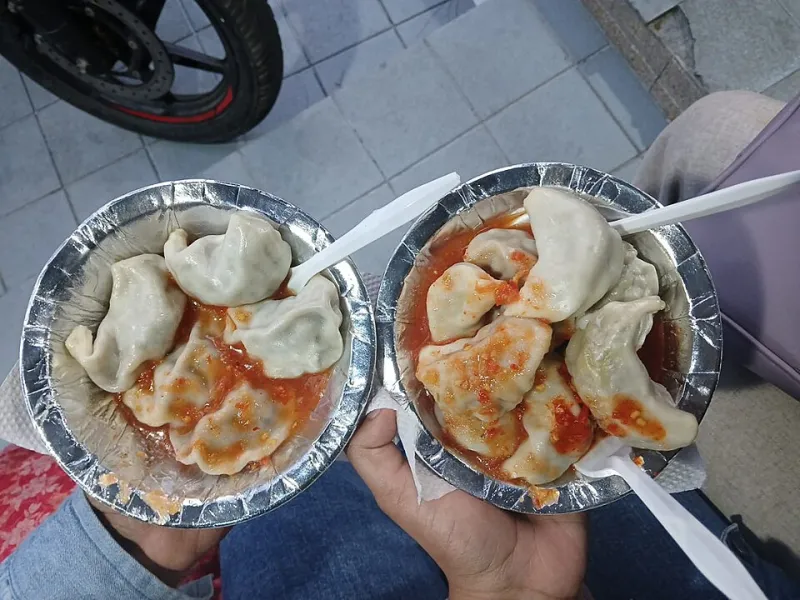
Photo: SristiAwasthi21, CC0, via Wikimedia Commons
Let's be honest with each other. You could drive from Land's End to John o' Groats, pop into any 'Indian restaurant' along the way, and order a chicken korma, a pilau rice and a peshwari naan without ever glancing at the menu. It's the culinary equivalent of a Wetherspoons carpet — reassuringly familiar, wherever you find it.
And look, there's nothing wrong with that. The British curry house is a national treasure. But if you've ever stood in front of a laminated menu thinking surely there's more than this, we've got news for you: there is, and it comes from a lot higher up.
The Mountain Menu You've Been Missing
Nepal sits in a culinary sweet spot, wedged between two giants. To the south, it borrows the warming spices of Indian cooking — cumin, coriander, turmeric, garam masala. To the north, Tibet lends its love of noodles, dumplings and hearty broths built to see you through Himalayan winters. Add in Nepal's own pantry — timur pepper, fermented achars, Himalayan herbs — and you get a cuisine that's genuinely unlike anything else on a UK high street.
So while your local curry house is perfecting its madras, a Nepalese kitchen is wrapping momos, simmering thukpa and grinding timur you won't taste anywhere else in town.
Side by Side: The Curry House vs. The Himalayan Kitchen
Still not convinced? Let's put them head to head.
Korma vs. Momo. A korma is creamy, mild and dependable. A momo is a hand-folded dumpling, steamed till the wrapper turns silky, hiding a juicy filling of minced meat or vegetables. Dip it in a fiery tomato achar and suddenly the korma looks a bit sleepy.
Chicken tikka vs. Chicken sekuwa. Tikka gets its char from the tandoor. Sekuwa gets its smoky, deeply spiced character from marinating in Himalayan spices and grilling over high heat — street food in Kathmandu, and once you've tried it, Friday night sorted.
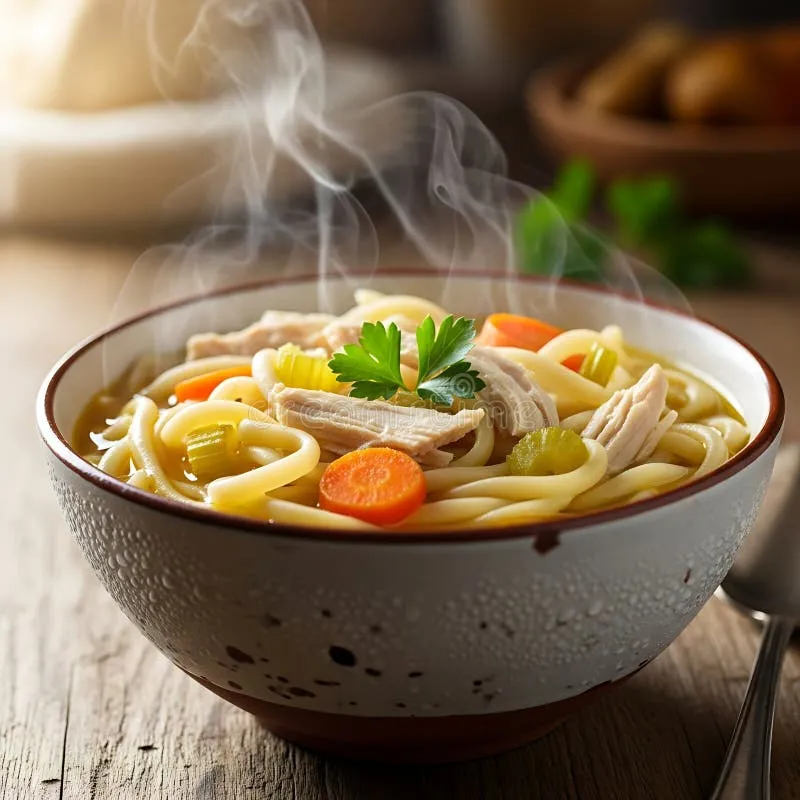
Rogan josh vs. Thukpa. Both are warming, both are comforting. But thukpa is a full noodle soup — broth, vegetables, meat and hand-pulled noodles in one steaming bowl. It's dinner and a hug in a single dish.
Onion bhaji vs. Achar. The bhaji is a great sidekick, we'll grant you. But achar — the punchy, tangy, sometimes blisteringly hot Nepalese pickle — isn't a sidekick. It's the main character. Every dish on the table gets brighter when it's around.
Lamb bhuna vs. Goat curry. Curry houses play it safe with lamb. Nepalese kitchens know that goat — richer, deeper, more gamey — is where the real flavour lives, slow-cooked until it falls apart.
Same Spice Rack, Completely Different Journey
Here's the thing people get wrong about Nepalese food: it's not 'Indian food, but different for the sake of it'. The heat is built differently — often from fresh green chillies and timur (a cousin of Sichuan pepper with a citrusy, tongue-tingling buzz) rather than a slow burn of dried chillies. The dishes are generally lighter on the cream, heavier on the broth, and far more likely to put noodles or dumplings at the centre of the plate.
It's comfort food that grew up at altitude, where winters bite hard and meals need to do some proper work.
Ready to Cross the Border?
If you've been ordering the same three dishes for the last decade, consider this your official nudge. Start with a mixed momo platter, add a sekuwa, pour yourself a thukpa, and see how your tastebuds feel about the change of scenery.
We'd put money on it: once you've tasted the Himalayan version of a night in, that korma-and-chips routine will have to fight to win you back.
Browse the full Everest Dinner menu, order online, and find out what the other side of the mountain tastes like.