Forty-Five Minutes, One Order, Zero Shortcuts: The Secret Life of Your Everest Takeaway
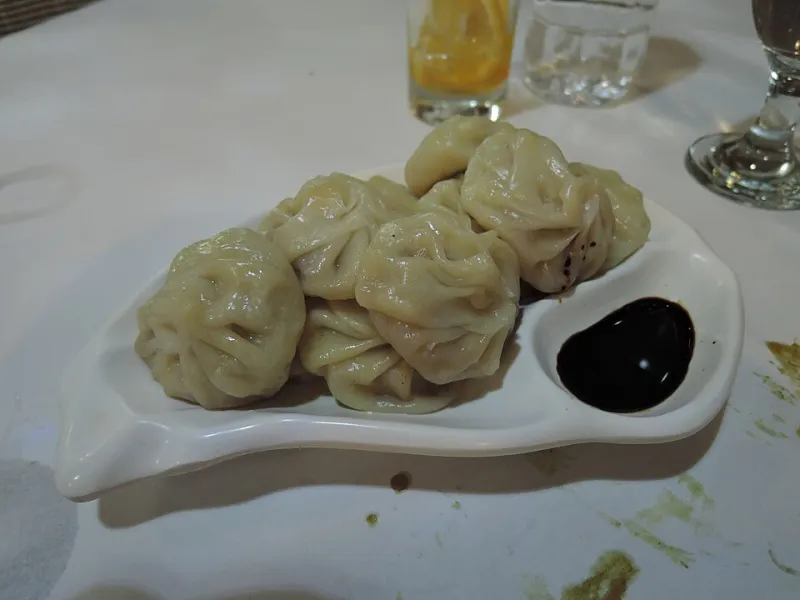
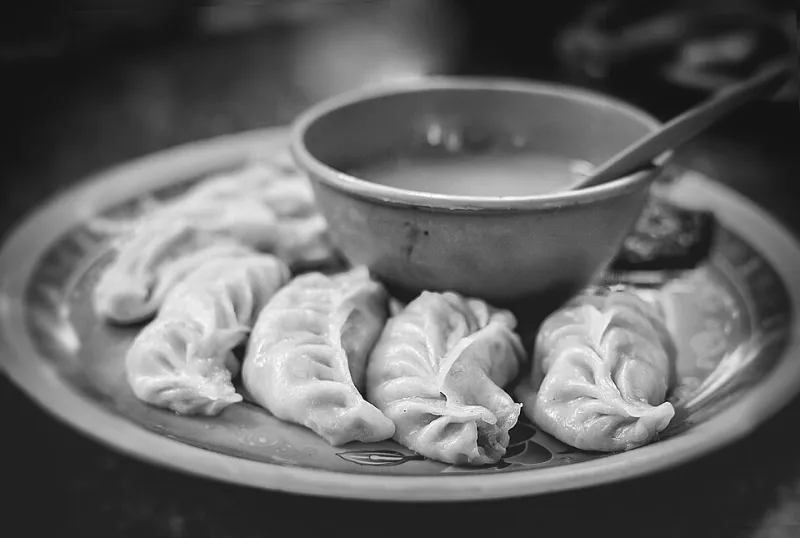
Photo: Geoffreyrabbit, CC BY-SA 4.0, via Wikimedia Commons
It's 6:47pm on a rainy Friday in the UK. Somewhere in your living room, you've just tapped 'order' on the Everest Dinner site. Momos, a lamb curry, some chilli chicken, a couple of naans. Forty-five minutes later, it's on your doorstep, steaming hot.
What happened in between? Rather more than you'd think.
The First Ninety Seconds
Before your order even reaches a pan, it hits the ticket rail — and the kitchen reads it like a race plan. Starters go in first because momos take the longest. Curries are queued but deliberately held back. Rice is timed to the minute, not the hour.
This sequencing is the quiet difference between a great takeaway and a soggy disappointment. Everything is cooked so it peaks at roughly the same moment: the moment the delivery bag zips shut.
Momos: Folded to Order, Not to Stock
Here's something most people don't realise: we don't pre-fold momos and leave them sitting in a fridge waiting for an order. The dumpling station folds them fresh — each one pinched shut by hand, the pleats counted out of habit by chefs who've made thousands of them.
Why does this matter to you? Because a momo is a delicate thing. Folded hours in advance, the wrapper dries and the filling weeps. Folded to order, then steamed, you get that tender, slightly chewy skin and a burst of gingery, juicy filling when you bite in. The ten minutes it takes is the whole point.
They're steamed right up to the handover window, then packed with a vented lid — yes, the little hole matters. Trapped steam is the enemy of a good dumpling. It turns crisp things soft and soft things claggy.
Curries Finish at the Very End
A proper Nepalese-style curry — our lamb with timur and green cardamom, say, or a rich chicken masala — isn't a sauce that gets reheated. The base masala is built earlier in service: onions browned properly, tomatoes cooked down, spices bloomed until the kitchen smells like a Kathmandu evening.
But the final dish comes together in the last few minutes. Fresh coriander stalks, a final hit of garam masala, a knob of butter to gloss the sauce, a squeeze of lime to lift it. Heat it, taste it, adjust it. Only then does it go in the pot for travel.
That's why a curry that arrives at your door still tastes alive rather than like something that's been sat on a hob all night. Sauce reheated twice goes flat. Sauce finished once, minutes before dispatch, doesn't.
The Battle Against the British Journey
Let's be honest: the UK's roads and weather are not kind to hot food. Rain, traffic lights, a driver circling for parking — every minute in transit is a minute your papadums are losing the war against humidity.
So we fight back with packing strategy. Crisp items — chilli chicken, papadums, anything battered — travel in vented containers, separated from anything with steam. Curries ride in insulated pots with tight lids. Naans get wrapped in foil, not plastic, so they stay warm without going leathery. Sauces and chutneys travel separately in little pots, so nothing arrives pre-sogged.
The delivery bag itself is insulated and loaded hottest-at-the-bottom. It's not glamourous, but it's the reason your food arrives the way it left.
The Handover Check
Before anything leaves, someone checks the order against the ticket — every item, every side, every extra chutney. Because there's nothing worse than opening the bag at home to discover the momo chutney is missing. We've all been there with some takeaway or other. It's a small ritual, but it's the one that protects your Friday night.
Why It's Worth Knowing
None of this shows up on the receipt. You just get food that tastes like someone cared about it — because someone did. The fold of a dumpling, the timing of a curry, the vent hole in a lid: dozens of small decisions made in a hot kitchen so that, forty-five minutes later, your table smells incredible and nobody had to wash a pan.
Next order, you'll know exactly what went into it. And honestly? That first bite of a freshly steamed momo hits even better when you know the story.